Short answer: To dispute a credit report error, get your free reports, pinpoint each mistake, and send a written dispute with copies of your evidence to the credit bureau that shows the error, and ideally to the company that reported it as well. In the US, the Fair Credit Reporting Act generally gives the bureau 30 days to investigate (45 in some cases), and filing a dispute is free. In the UK, you raise it with the credit reference agency and the lender. If the agency won’t change the entry, you can add a “notice of correction” of up to 200 words.
This article is for general education only. It is not financial or legal advice. Rules and procedures can change, so check the official sources linked below and, if your situation is complex, speak to a qualified adviser or a free nonprofit counselor.
Why Credit Report Errors Matter
Your credit report is the raw data behind your credit scores. Lenders, landlords, insurers and some employers use it to make decisions. A late payment you never made, an account that isn’t yours, or a paid-off debt still showing a balance can mean higher interest rates or a declined application. If you’re working to improve your credit score, checking for errors is one of the few steps that can sometimes help quickly, because removing inaccurate negative information changes the data your score is built on.
One important limit: you can only remove information that is wrong. The U.S. Consumer Financial Protection Bureau (CFPB) states plainly that no one has the right to remove accurate negative information, such as genuine late payments, from your credit report. You can fix errors yourself, and it costs nothing.
Watch the full video guide:
Common Credit Report Errors to Look For
- Identity errors: a misspelled name, wrong address or Social Security number, or another person’s information mixed into your file (sometimes called a “mixed file”).
- Accounts that aren’t yours: often a sign of identity theft.
- Incorrect account status: a closed account reported as open, an account you closed shown as “closed by grantor”, or a debt you paid still showing as unpaid.
- Wrong payment history: payments reported late when you paid on time.
- Wrong balances or credit limits: these can distort your credit utilization.
- Duplicate debts: the same debt listed twice, for example by the original creditor and a collection agency, both showing a balance.
- Outdated negative items: in the US, most negative information can generally be reported for seven years and bankruptcies for up to ten (CFPB). In the UK, missed payments and defaults generally stay for up to six years (MoneyHelper).
Step 1: Get Your Free Credit Reports
In the US, there are three nationwide credit bureaus: Equifax, Experian and TransUnion. You can get free reports from all three every week at AnnualCreditReport.com, the only site authorized by federal law for this. Checking your own report does not affect your credit scores. Get all three, because lenders don’t always report to every bureau, so an error may appear on only one.
In the UK, MoneyHelper notes that there are four credit reference agencies (Experian, Equifax, TransUnion and Crediva). By law, each must give you your statutory credit report for free, and checking it is a soft search that won’t affect your credit rating.
Step 2: Gather Evidence
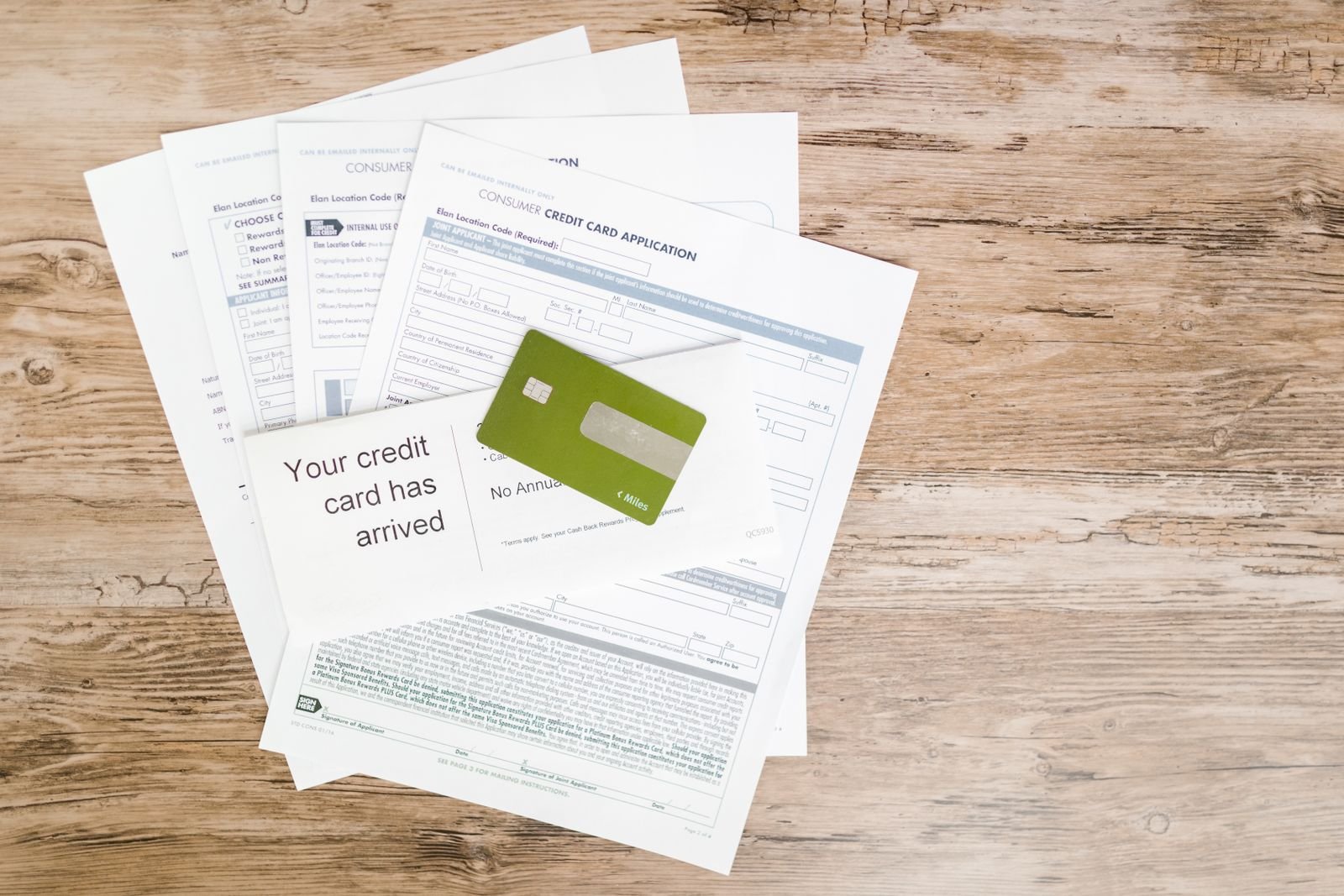
Before you file, collect anything that supports your claim. Useful evidence includes bank statements showing on-time payments, a “paid in full” or settlement letter, an account-closure confirmation, proof of your correct address, or a police or FTC identity theft report. Always send copies, never originals, and keep a file with the date of every letter, call and upload.
Step 3: Dispute With the Credit Bureau
The CFPB recommends that you start by disputing with the credit reporting company that shows the error. You can file online, by mail or by phone with Equifax, Experian or TransUnion. If you mail your dispute, the CFPB suggests including:
- Your full name, address and phone number
- The report confirmation number, if there is one
- Each error you want fixed, including the account number
- A clear explanation of why each item is wrong
- A request to remove or correct the information
- A copy of the relevant part of your report with the disputed items circled or highlighted
- Copies of supporting documents
Sending your letter by certified mail with a return receipt gives you proof of when it arrived. The CFPB also publishes free sample dispute letters you can adapt. Online portals are faster, but a letter lets you control exactly what you say and what evidence goes with it. Whichever route you choose, be specific: a bureau can treat a dispute as “frivolous or irrelevant” if it doesn’t say what is wrong. It must tell you within five business days if it makes that decision.

Step 4: Dispute With the Company That Reported It
Credit bureaus get their data from “furnishers”, such as your bank, card issuer, lender, landlord or a collection agency. The CFPB recommends that you also dispute directly with the furnisher, in writing and ideally by certified mail, at the address shown on your report or the address it designates for disputes. Furnishers generally must investigate and respond within 30 days. If the information turns out to be wrong or can’t be verified, the furnisher must correct or delete it and notify the credit bureaus it reported to.

Phone calls can help you find the right department, but always follow up in writing so you have a record.
How Long Does a Credit Report Dispute Take?
Under the Fair Credit Reporting Act (15 U.S.C. §1681i), a bureau generally has 30 days from receiving your dispute to complete a reasonable investigation. According to the CFPB:
- It can take up to 45 days if you dispute after receiving your free annual report, or if you send relevant additional information during the 30-day window (a 15-day extension).
- The bureau has five business days after finishing the investigation to send you the results.
- You should get written results and a free updated copy of your report.
- If a furnisher corrects the information, it has to send the correction to every bureau it reported the wrong data to.
Check the updated report carefully. If a deleted item later reappears, the law says it can only be reinserted if the furnisher certifies that it is accurate, and the bureau must notify you in writing within five business days of the reinsertion.
What If the Dispute Is Rejected?
If the investigation finds the information “verified” and you still believe it’s wrong, you have several options:
- Add a statement. Under the FCRA, you can file a brief statement explaining the dispute (a bureau may limit it to 100 words if it helps you write a clear summary). Future reports that include the item must note that you dispute it.
- Dispute again with new evidence. Repeating the same dispute without anything new rarely changes the outcome. A new document might.
- File a complaint with the CFPB at consumerfinance.gov/complaint. The CFPB forwards complaints to the companies and asks them to respond.
- Get legal help. The FCRA lets consumers sue for certain violations. A consumer attorney or legal aid office can tell you whether that applies to your situation.
If the Error Is Caused by Identity Theft
Accounts or inquiries you don’t recognize can be a sign of fraud. The CFPB points victims to IdentityTheft.gov, the federal government’s resource for reporting identity theft and getting a personalized recovery plan. An FTC identity theft report can support a request to the bureaus to block fraudulent information. It’s also wise to freeze your credit at all three bureaus, which is free and stops new creditors from accessing your file while it’s in place.
Avoid Paying for “Credit Repair”
Many companies promise to “fix” your credit for a fee. The CFPB warns about credit repair scams with these red flags:
- Asking for payment before doing any work. Under the federal Credit Repair Organizations Act, credit repair companies can’t charge you until they’ve completed the promised services.
- Promising to remove accurate negative information. No one can do that legally.
- Telling you to dispute everything on your report, even accurate items.
- Telling you not to contact the credit bureaus yourself.
If you sign up with a credit repair company, you can cancel within three business days at no charge. Everything a legitimate company can do for you, you can also do yourself for free.
How to Fix a Credit File Error in the UK
The UK process is similar, but the terms and rules are different:
- Contact the credit reference agency and the lender. The Information Commissioner’s Office (ICO) explains that the problem often lies with the lender that supplied the data, and agencies generally can’t amend a lender’s entry without that company’s agreement. While the agency checks, it will usually mark the entry as disputed.
- 28-day reply. Under section 159 of the Consumer Credit Act 1974, once you give an agency notice that an entry is incorrect, it must tell you within 28 days whether it has removed the entry, amended it or taken no action.
- Notice of correction. If the entry isn’t removed, you can ask the agency to add a notice of correction of up to 200 words explaining your side. Lenders who see the entry will see your statement too. Ask each agency that holds the entry.
- Escalate. If there’s an obvious inaccuracy that the agency and lender won’t correct, you can complain to the ICO. Complaints about how a bank or lender treated you can go to the Financial Ombudsman Service after you’ve used the firm’s own complaints process.
After the Fix: Protect Your Credit
Once errors are cleared, keep checking your reports regularly, especially before a big application such as a mortgage or car loan. Pay every bill on time, keep balances low compared with your limits, and keep records of closed or paid-off accounts. If you’re rebuilding after real negative history rather than errors, a product like a secured credit card can help you build a positive track record over time.
Frequently Asked Questions
Does disputing a credit report error hurt my credit score?
No. Filing a dispute doesn’t count as a credit application and isn’t a hard inquiry. If the dispute succeeds and inaccurate negative information is removed, your score may go up.
Is it better to dispute online or by mail?
Both are valid. Online is usually faster. A mailed letter sent by certified mail gives you a clear record of what you sent and when it arrived. Whichever you use, explain each error clearly and include copies of your evidence.
Do I need to dispute with all three bureaus?
Only with the bureaus whose reports show the error. Check all three reports, because a furnisher may report to just one or two. Disputing with the furnisher directly can fix the data at its source.
How much does it cost to dispute a credit report error?
Nothing. Disputing inaccurate information is free under the FCRA in the US. In the UK, statutory credit reports are free and you can challenge entries at no cost.
Can I remove a late payment that is accurate?
Not through a dispute. Accurate negative information can stay for the legal reporting period. You can ask a lender for a goodwill adjustment, but it doesn’t have to agree.
Bottom line: Disputing a credit report error is a free legal right. Get all your reports, document each mistake, dispute in writing with both the bureau and the company that reported it, and keep copies of everything. For templates and next steps, see the official guides from the CFPB and the ICO.