Hard Inquiry vs Soft Inquiry: How Credit Checks Affect Your Score

Hard inquiry vs soft inquiry: learn which credit checks affect your score, how many points a hard pull usually costs, how long it stays on your report, how rate shopping works and what to do about inquiries you don't recognize.
Read moreDeductible vs Copay vs Coinsurance: How Health Insurance Costs Work

Deductible vs copay vs coinsurance: learn what each term means, how they add up to your out-of-pocket maximum, a step-by-step example, 2026 limits and how to compare health plans by total yearly cost.
Read moreDollar-Cost Averaging: What It Is, How It Works and When It Makes Sense

Dollar-cost averaging means investing a fixed amount at regular intervals, whatever the market does. See how it works with a worked example, its pros and cons, and how it compares with investing a lump sum.
Read moreWhat Is a Brokerage Account? How It Works and How to Open One

A brokerage account lets you buy and sell stocks, bonds, funds and ETFs. Learn how it works, cash vs margin accounts, fees, SIPC and FSCS protection, taxes and how to open one.
Read moreHow to Calculate Your Net Worth (and What the Number Means)

Net worth is what you own minus what you owe. Learn how to calculate it step by step, avoid common mistakes, compare with the latest Fed and ONS figures, and grow it over time.
Read moreDebt-to-Income Ratio: What It Is, How to Calculate It and How to Lower It

Your debt-to-income ratio (DTI) is the share of your gross monthly income that goes to debt payments. Learn how to calculate it, what lenders count, front-end vs back-end DTI, mortgage guidelines for Fannie Mae, FHA and VA loans, how UK lenders assess affordability, and practical ways to lower your ratio.
Read moreWhat Is a Credit Union? How Credit Unions Work vs Banks

A credit union is a not-for-profit, member-owned financial cooperative that offers savings, checking and loans like a bank but returns its profits to members. Learn how credit unions work, how they compare with banks, NCUA and FSCS deposit protection, who can join, loan rate caps, pros and cons.
Read moreWhat Is an Annuity? How Annuities Work, Types, Costs and Taxes

An annuity is a contract with an insurance company that turns a lump sum or regular payments into income, now or later. Learn how immediate and deferred annuities work, the main types, fees and surrender charges, US and UK tax rules, pros and cons, and what to ask before buying.
Read moreWhat Is a Sinking Fund? How to Save for Known Expenses
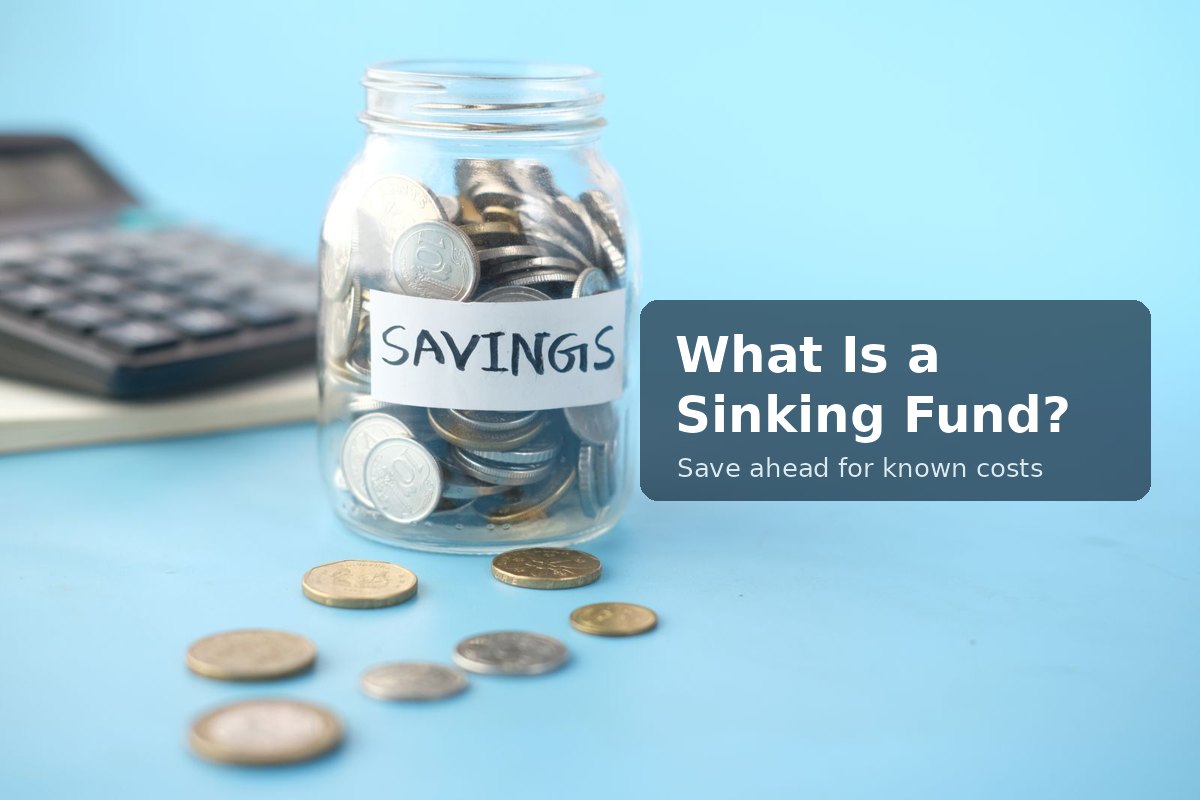
A sinking fund is money you save a little at a time for a cost you know is coming, like insurance, holiday gifts or car repairs. Learn how it differs from an emergency fund, the simple formula, a worked example, where to keep it, and common mistakes.
Read moreHow to Dispute a Credit Report Error: Step-by-Step for US and UK
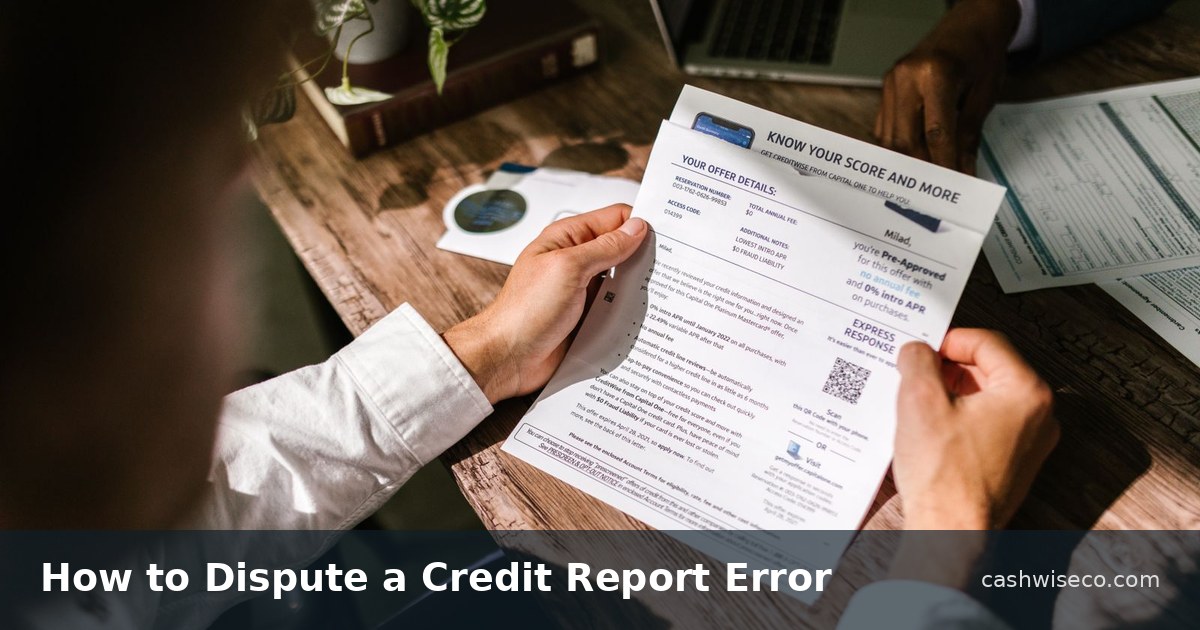
Found a mistake on your credit report? Learn how to dispute a credit report error for free: get your reports, gather evidence, write to the bureau and the lender, FCRA timelines, what to do if the dispute is rejected, and the UK notice of correction.
Read more