Short answer: a brokerage account is an investment account you open with a broker (a brokerage firm) that lets you deposit money and buy and sell investments such as stocks, bonds, mutual funds and exchange-traded funds (ETFs). Unlike a bank savings account, the money you invest is not insured against losses: its value can rise or fall with the markets. A standard (taxable) brokerage account has no contribution limits and no withdrawal restrictions, but you generally pay tax on dividends, interest and realized gains.
Quick summary
- What it is: an account at a broker-dealer that holds your cash and investments and executes your buy and sell orders.
- Cash vs margin: in a cash account you pay in full; in a margin account you can borrow from the broker, which can magnify losses. Some applications make margin the default, so check (SEC).
- Protection: in the US, SIPC protects up to $500,000 per customer (including a $250,000 limit for cash) if a member firm fails, but it does not protect against market losses. In the UK, the FSCS covers up to £85,000 per person, per firm for eligible investment claims.
- Taxes: a taxable account has no special tax shelter; retirement accounts and UK ISAs do.
- Before opening: read the firm’s Form CRS, check its record on BrokerCheck (US) or the FCA Register (UK), and understand every fee.
This article is general education, not personalized financial, tax or investment advice. Investing involves risk, including the loss of money you invest. For decisions about your own situation, consider speaking with a qualified, regulated professional.
What is a brokerage account?
A brokerage account is the “container” most people use to invest outside a workplace retirement plan. You open it with a broker-dealer, transfer money in from your bank, and then place orders to buy or sell securities. The broker executes those trades, holds the securities for you (this is called custody), sends you statements and trade confirmations, and reports your tax information at the end of the year.
The SEC also points out that brokerage accounts are different from investment advisory accounts, which are generally governed by different rules. In a brokerage account you normally make your own investment decisions; an advisory account typically involves an adviser managing or advising on your portfolio for a fee (Investor.gov, “How to Open a Brokerage Account”).
How a brokerage account works
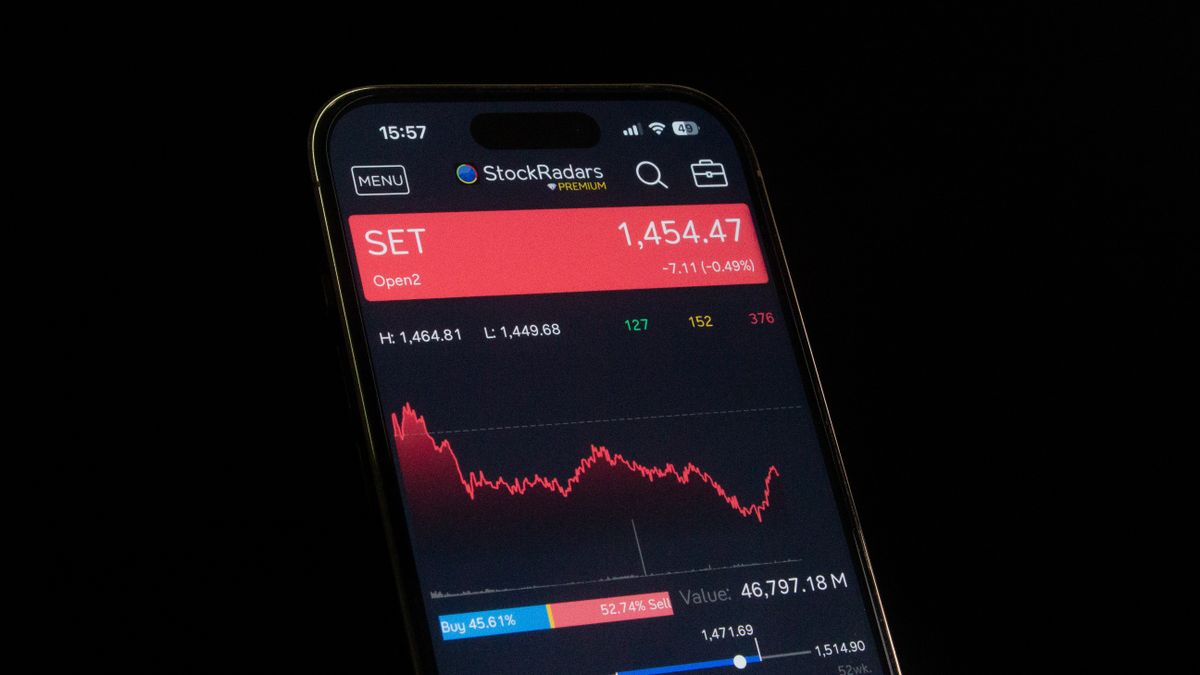
- Fund the account. You link a bank account and transfer money in, or move an existing account from another firm.
- Place an order. You choose an investment and an order type (for example, a market order to buy at the current price or a limit order that only executes at a price you set).
- The trade settles. In the US, most securities trades now settle one business day after the trade date (“T+1”), a change that took effect on May 28, 2024. The SEC’s example: if you sell stock on a Monday, you get your money on Tuesday (SEC press release 2024-62).
- You hold, collect income and eventually sell. Dividends and interest are paid into the account, and when you sell, the proceeds become cash you can reinvest or withdraw to your bank.
Cash account vs margin account
According to the SEC, brokerage firms generally offer at least two types of account:
- Cash account: you must pay the full amount for anything you buy. You cannot borrow from the broker to pay for trades.
- Margin account: you can borrow from the broker to buy securities, using the securities in the account as collateral, and you pay interest on the loan. This increases your buying power but also exposes you to potentially larger losses.
The SEC specifically warns that some account applications make margin the default account type, so confirm you are opening the type you want before you sign (Investor.gov). For most beginners, a cash account is the simpler and safer starting point.
What happens to uninvested cash
Money that is not invested is often placed in a “cash management” or sweep program. The SEC describes three common options: a bank sweep that moves uninvested cash into deposit accounts at one or more banks, a sweep into money market mutual funds, or simply leaving the cash in the brokerage account. These options can pay very different interest rates and carry different protection (FDIC or SIPC), and the firm may have a financial incentive to favor one over another, so it is worth checking which one you are in.
Watch the full video guide:
Types of brokerage accounts
“Brokerage account” is often used loosely. The main categories are:
- Standard taxable brokerage account (in the UK often called a general investment account, or GIA): no contribution limits, money can be withdrawn at any time, but investment income and gains are generally taxable.
- Retirement accounts held at a broker: in the US, an individual retirement account such as a traditional or Roth IRA can be opened at a brokerage firm. These come with annual contribution limits and withdrawal rules in exchange for tax benefits.
- UK tax wrappers: a stocks and shares ISA or a self-invested personal pension (SIPP) is typically held on an investment platform, with tax advantages and specific rules (see what is an ISA).
- Self-directed vs managed: you can pick investments yourself, or use a managed or automated (“robo”) service that builds a portfolio for an ongoing fee.
How to open a brokerage account

1. Check the firm first
In the US, read the firm’s relationship summary (Form CRS), a short document that broker-dealers must give retail investors explaining their services, fees and conflicts of interest (Investor.gov/CRS). Then look up the firm and any individual broker on FINRA’s free BrokerCheck for registration and disciplinary history. In the UK, confirm the firm is authorised on the FCA Financial Services Register and be wary of “clone” firms that copy the details of legitimate ones; the FCA’s ScamSmart pages explain the warning signs.
2. Have your information ready
The SEC says brokers will generally ask for your name, Social Security number (or taxpayer identification number), address, contact details, date of birth, government ID, employment details, annual income, net worth, investment objectives, risk tolerance, investment experience, time horizon and liquidity needs.
3. Make the key choices
- Cash or margin account.
- Your investment objective (terms such as “capital preservation”, “income”, “growth” or “speculation” mean different levels of risk).
- Where uninvested cash goes (the sweep option).
- Paper or electronic statements and confirmations.
- A trusted contact person, whom the firm can reach if it cannot contact you or suspects financial exploitation. The SEC encourages investors to add one.
4. Fund it and start small
Link your bank account, transfer an amount you can leave invested for years, and keep your emergency savings separate. If you do not yet have a cash cushion, it usually makes sense to build an emergency fund first, because investments can fall in value just when you need the money.
Fees to understand before you invest

Many brokers now advertise commission-free trading for stocks and ETFs, but that does not mean an account is free. The SEC lists common charges, which vary from firm to firm:
- Transaction costs: commissions, markups or markdowns when the firm trades from its own inventory, and sales charges (“loads”) on some mutual funds.
- Account fees: maintenance fees for smaller accounts, inactivity fees, account closing fees, and wire or transfer fees.
- Margin interest: charged on anything you borrow.
- Fund expenses: mutual funds and ETFs have their own ongoing costs, separate from the broker’s fees.
UK platforms often charge an annual platform fee (a percentage of your holdings or a flat fee) plus dealing charges, and may add foreign exchange fees when you buy overseas shares. Ask for the full charges schedule before you commit.
Is a brokerage account safe?
There are two very different risks to keep apart: the risk that your investments fall in value, and the risk that the firm fails.
Market risk is yours. No insurance scheme protects you if your investments lose value.
Firm failure (US): if a SIPC-member brokerage fails, SIPC protects customers’ cash and securities up to $500,000, which includes a $250,000 limit for cash. SIPC protects the custody function, working to restore the securities and cash that should be in your account. It does not protect against a decline in the value of your securities, bad investment advice, or assets that are not “securities” under the law, such as most crypto assets and commodity futures (SIPC, “What SIPC Protects”). Cash swept into bank deposits through a bank sweep program can instead be covered by FDIC insurance up to $250,000 per depositor, per insured bank, per ownership category. Our explainer on FDIC insurance covers how those limits work.
Firm failure (UK): for an FCA- or PRA-authorised investment firm that failed after 1 April 2019, the Financial Services Compensation Scheme can pay up to £85,000 per eligible person, per firm where there is a shortfall in the money or assets it held for you. The FSCS does not compensate for poor investment performance (FSCS, Investments).
How a brokerage account is taxed
United States. In a taxable brokerage account, dividends and interest are generally taxable in the year you receive them, and selling an investment for more than you paid creates a capital gain. Brokers must file Form 1099-B for customers for whom they sold stocks, bonds and other securities, and you receive a copy to help complete your return (IRS, About Form 1099-B). How much you owe depends on how long you held the investment and your income; see how capital gains tax works.
United Kingdom. Outside an ISA or pension, gains are subject to Capital Gains Tax above the annual exempt amount, which is £3,000 for individuals (GOV.UK). Dividends above the £500 dividend allowance are taxed according to your Income Tax band; for 2026/27 the rates are 10.75% (basic), 35.75% (higher) and 39.35% (additional). Dividends from shares held in an ISA are not taxed (GOV.UK, Tax on dividends).
Frequently asked questions
How much money do I need to open a brokerage account?
It depends on the firm. Many online brokers have no account minimum and allow fractional shares, while others require a minimum deposit or charge maintenance fees on small balances. Check the firm’s fee schedule and Form CRS.
Can I lose money in a brokerage account?
Yes. Stocks, bonds and funds can lose value, and with margin you can lose more than you deposited. SIPC and the FSCS only protect against certain losses when a firm fails, not against market falls.
Can I withdraw money from a brokerage account at any time?
From a standard taxable account, generally yes: you sell investments, wait for the trade to settle, and transfer the cash to your bank. Selling may trigger taxes, and retirement accounts have their own withdrawal rules.
Is a brokerage account the same as a bank account?
No. A bank account holds deposits that are FDIC-insured (US) or FSCS-protected (UK) up to set limits. A brokerage account holds investments whose value can go up or down, with different protection rules.
Do I pay taxes if I don’t sell anything?
In a taxable account, dividends and interest can be taxable in the year they are paid even if you reinvest them. Capital gains are generally taxed only when you sell.
The bottom line
A brokerage account is simply the gateway to investing: it holds your cash and investments and carries out your trades. Check the firm’s registration, choose a cash account unless you fully understand margin, keep your emergency fund separate, and use tax-advantaged accounts where they fit your goals.